Biomaterials
“At CXACORI STUDIO believe that a material not only has a physical and functional dimension, but also represents identity and aesthetics, and can connect with people through sensations and emotions.
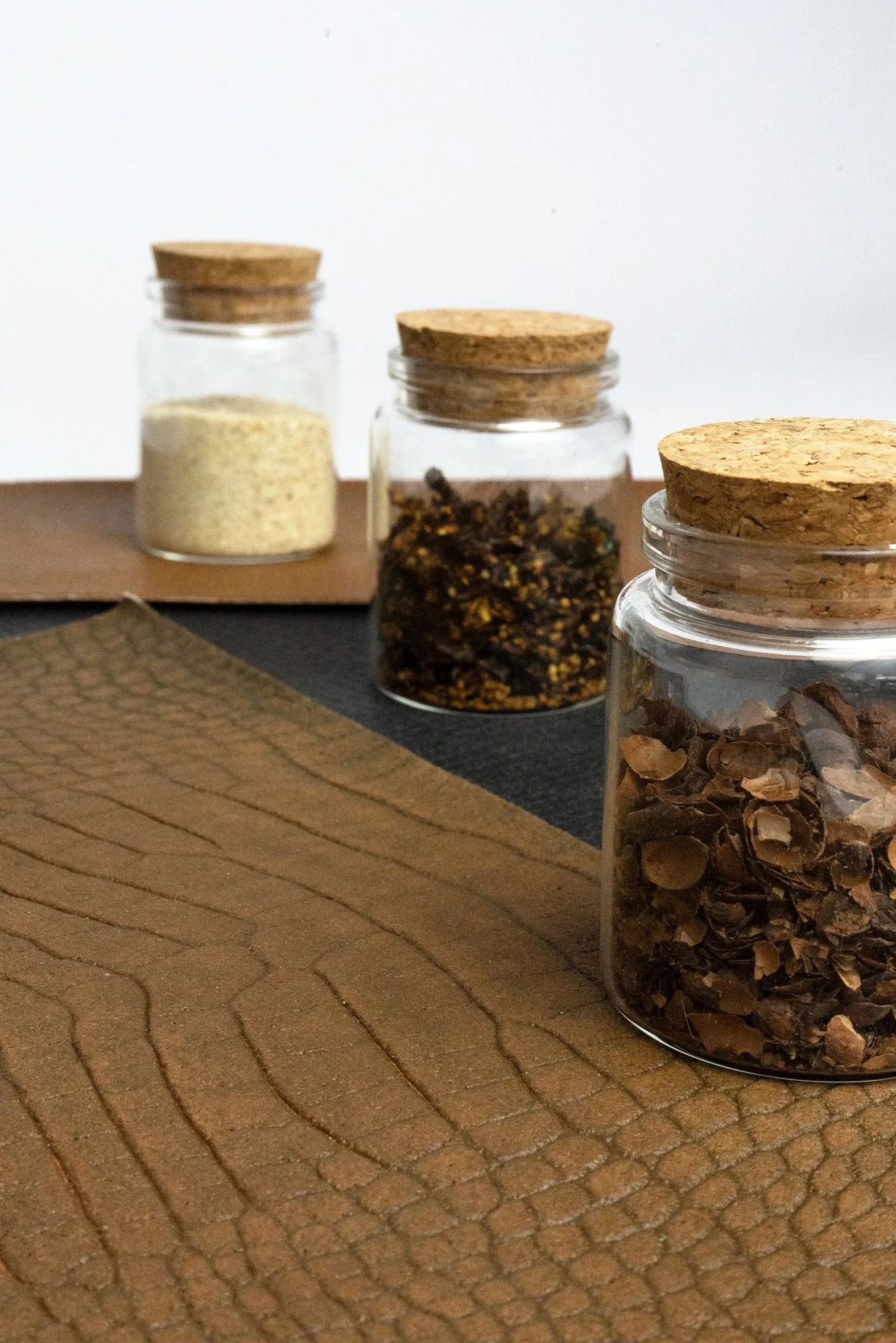
Our biomaterials proposal uses fibers, minerals, biopolymers, food and agricultural waste to create a new design based on biotechnology, organic compounds, ancestral knowledge and sustainable chemistry”.
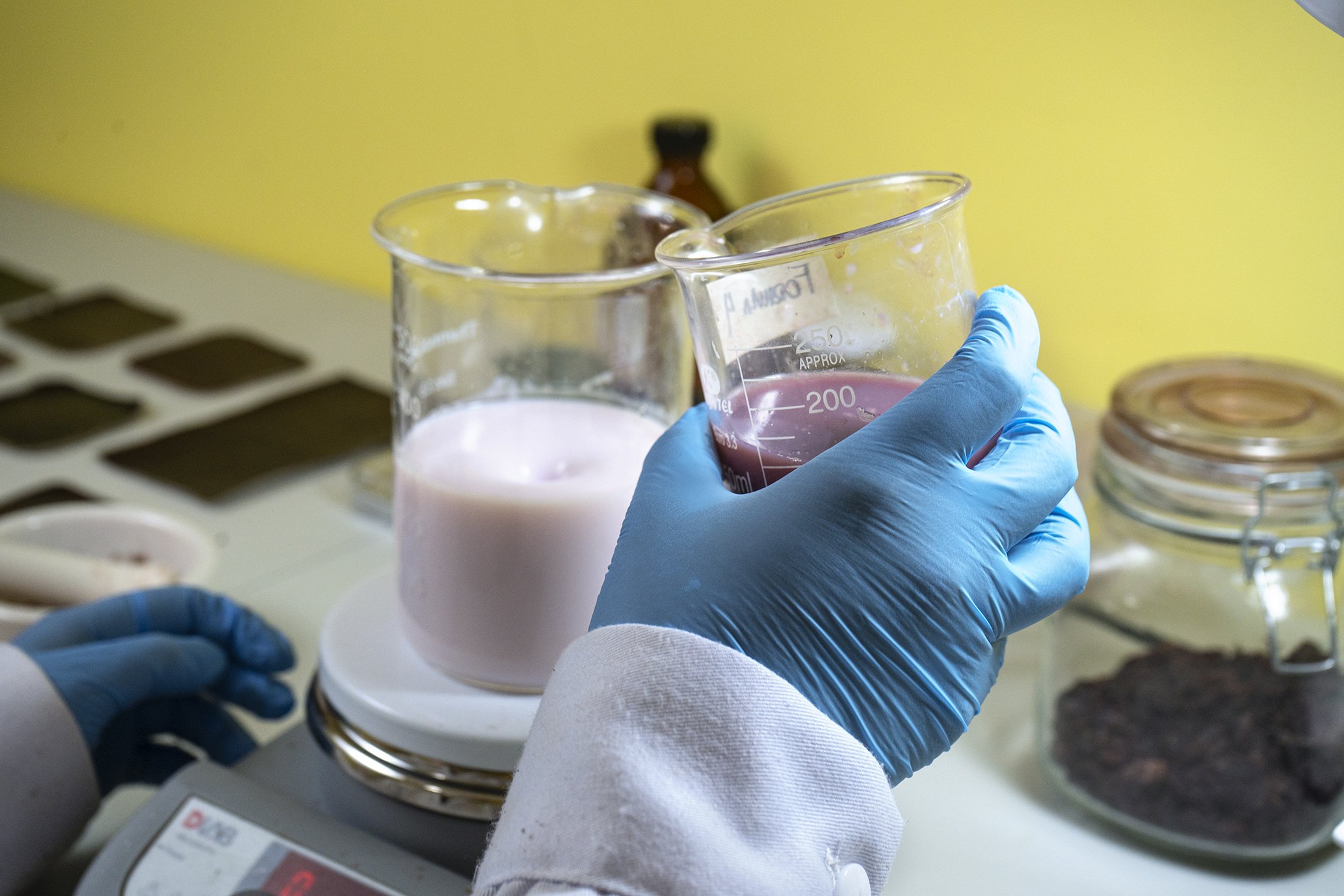
A sustainable material must be resistant
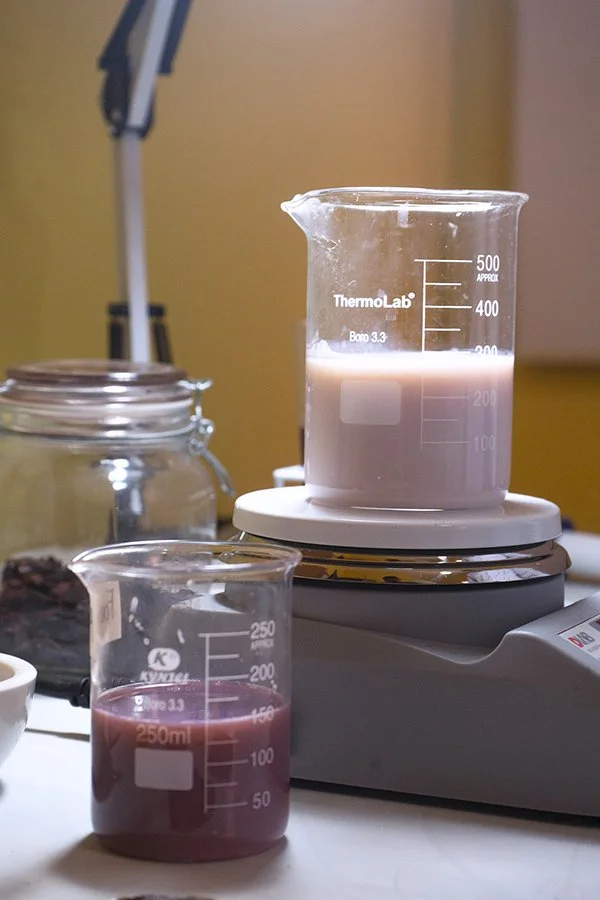
we know that a material of sustainable composition and origin must be resistant and comply with the technical standards of clothing and the various areas and industries in which it is applied. That is why we work with laboratories, engineers, craftsmen, natives and designers to develop functional and resistant materials.


The fashion industry:
Problem / Solution
The fashion industry is one of the most polluting industries on the planet; it generates high resource consumption, pollution, and exploitation. This situation is a major problem, but it is also a great opportunity to think about new ways of expressing and creating fashion based on new materials.
The planet needs new materials that are traceable and have a positive environmental and social impact. Materials that are circular economy, recyclable, and biodegradable, with a high organic and hybrid content that not only have functional technical characteristics but also represent our identity.
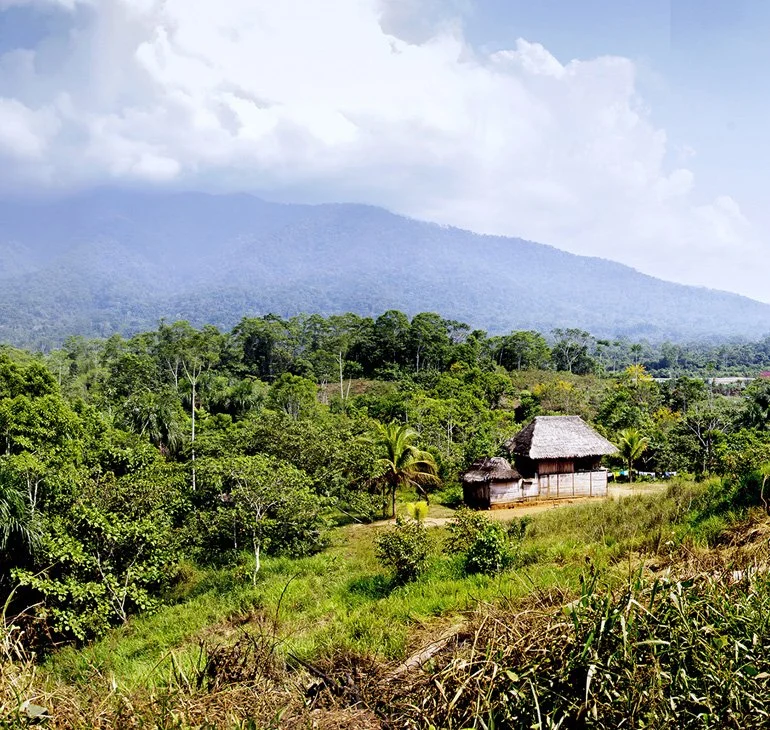
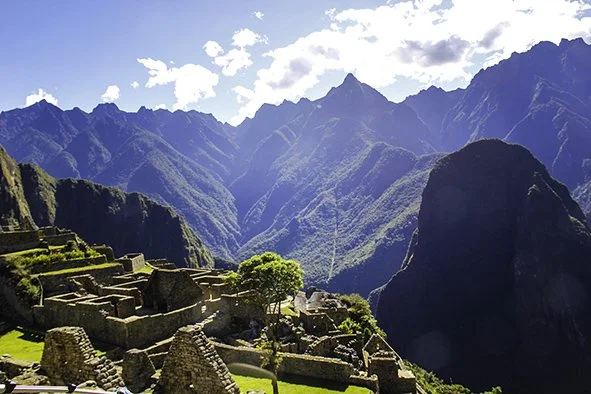
Peru is a country with an enormous biological diversity, and this is due to its relief, climate and natural history. We are connected to our territory through its history, its fibers and colors. The bioleathers designed by CAXACORI STUDIO tell our history and present, through new values and aesthetic and tactile experiences.
Our laboratory is the Amazon and the Peruvian Andes, we travel constantly knowing and experimenting fibers, processes, plants and knowledge of our natural environment: using fibers and pigments such as achiote, aguaje, cocoa, turmeric, rosemary, barley, etc; to give color and give the material a feeling of its own.
Peru: Biodiversity, the Amazon, and the Andes
FOOTWEAR
AND SOLES
THAT PRESERVE AMAZONIA
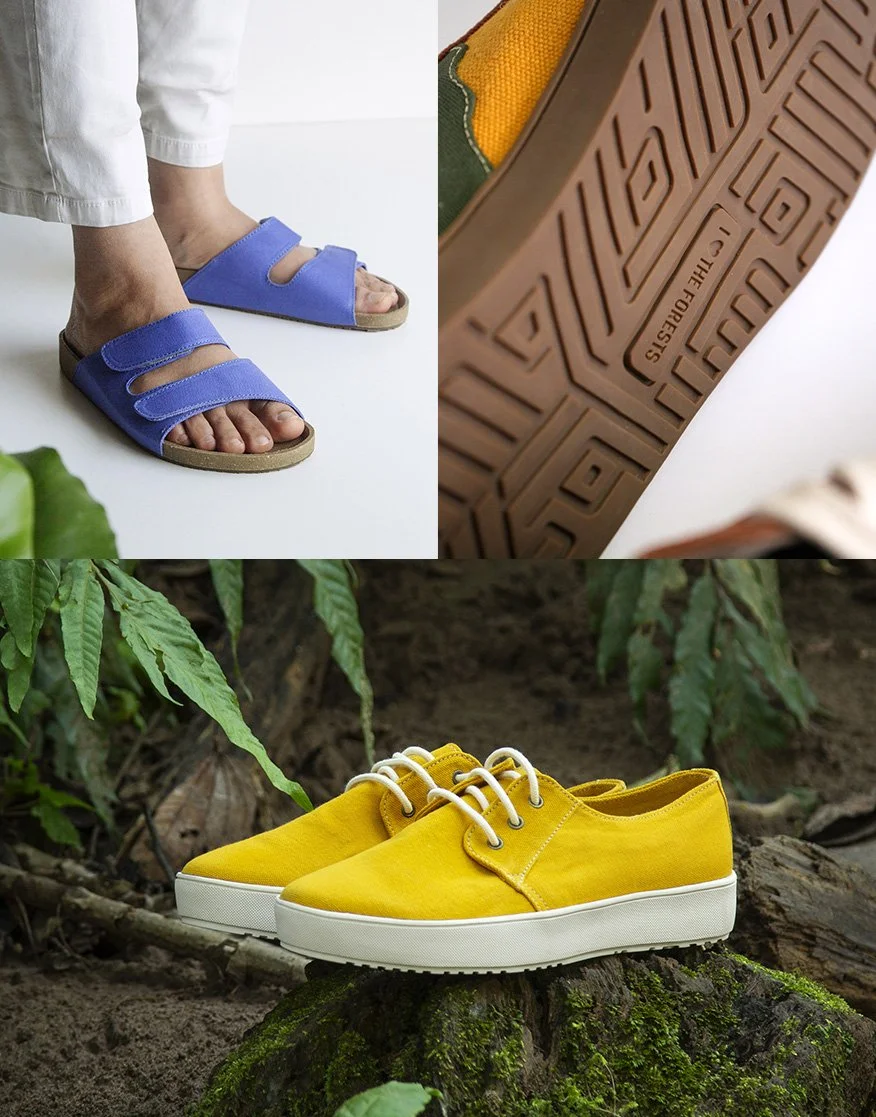
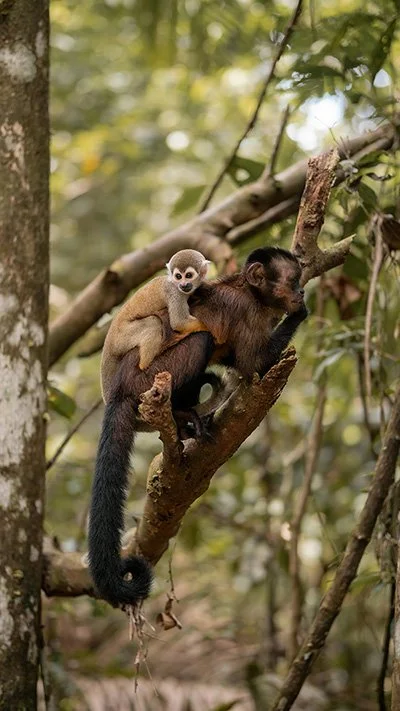
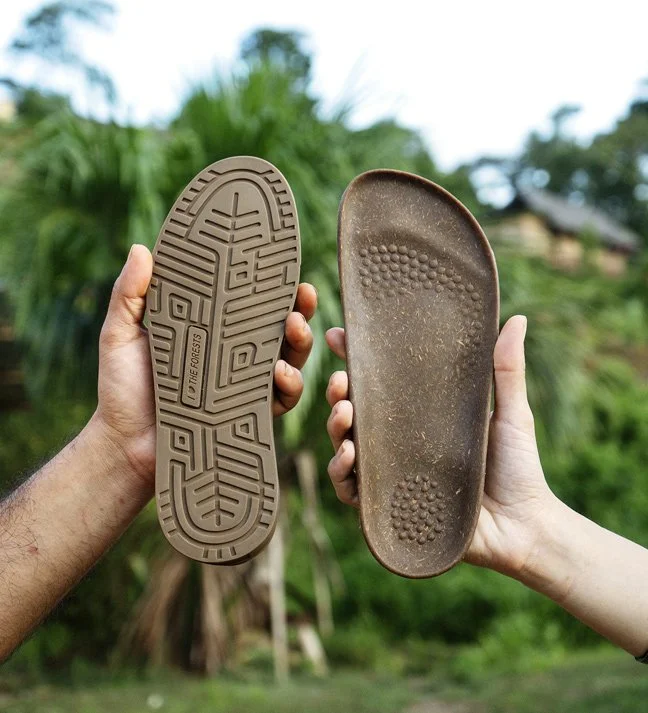
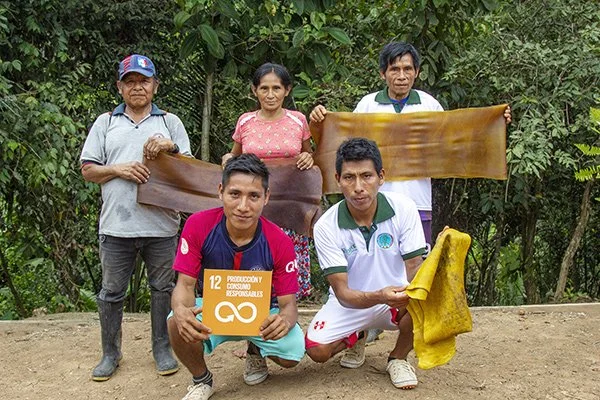
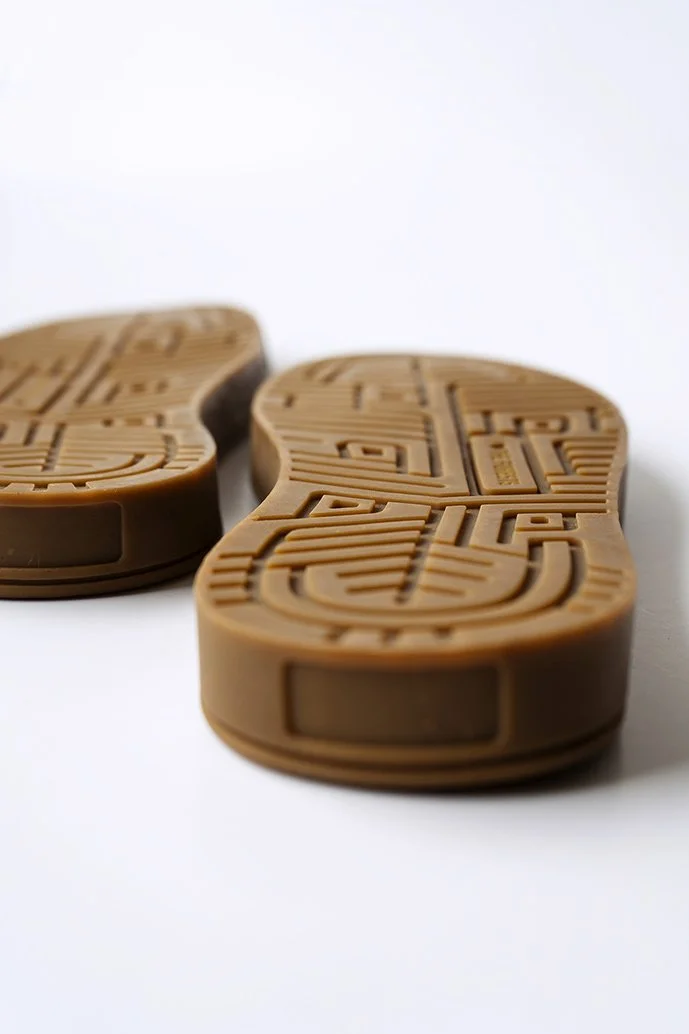
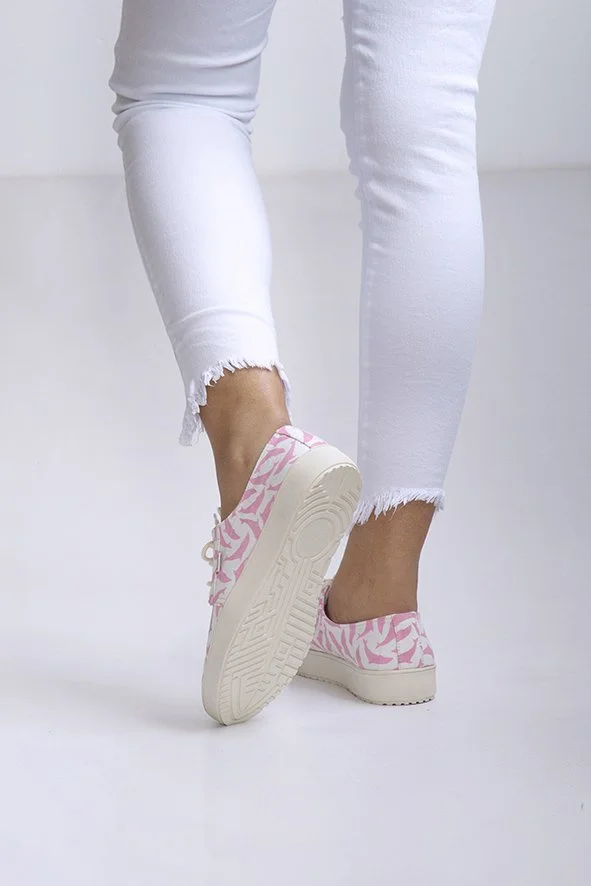
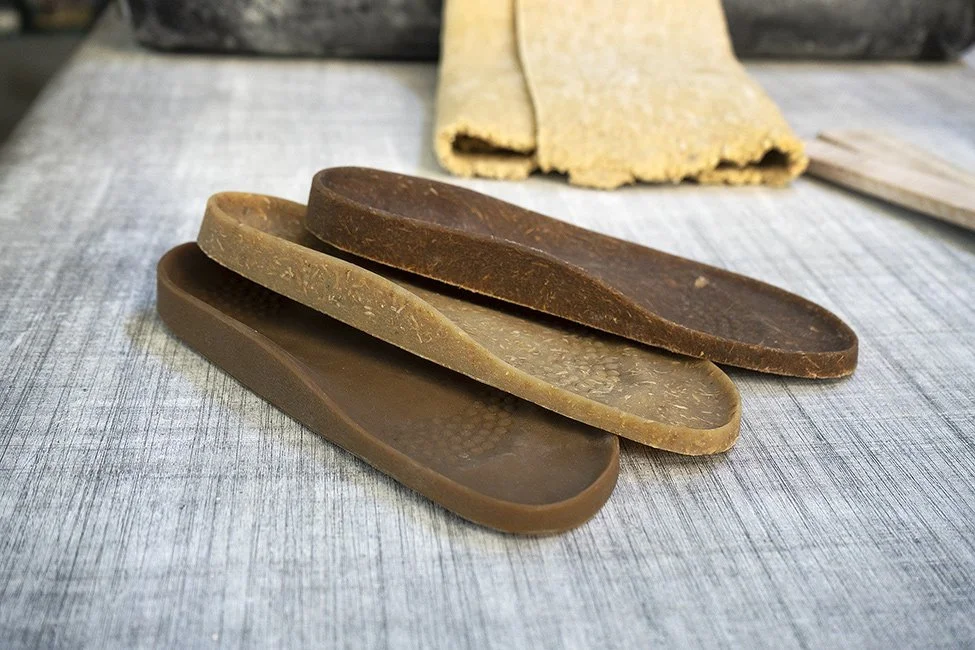
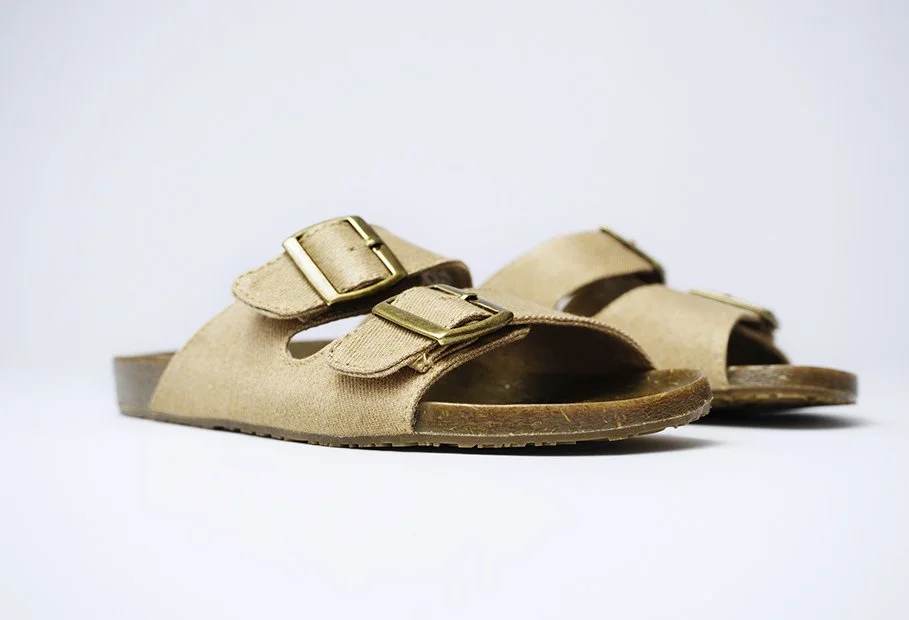
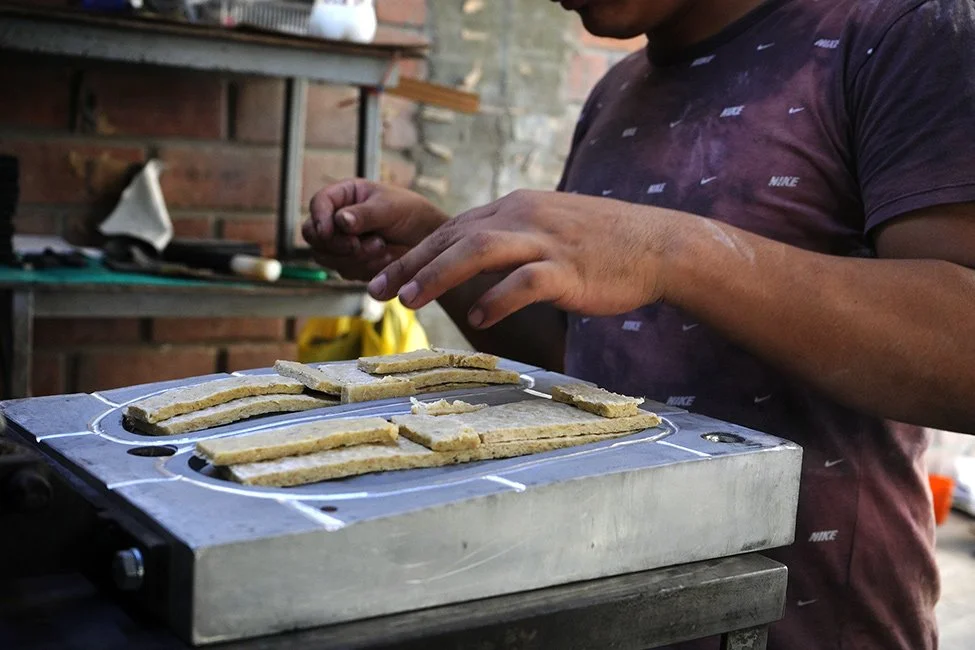
At Caxacori Studio we develop wild rubber soles that conserve the Amazon rainforest and empower native communities of the Peruvian jungle. We work with Awajún native communities of the Amazon rainforest in a sustainable way, that is, without depredating the forest and respecting the cycles of the tree, thus generating economic income to the families of the jungle and contributing to the conservation of the Amazon.
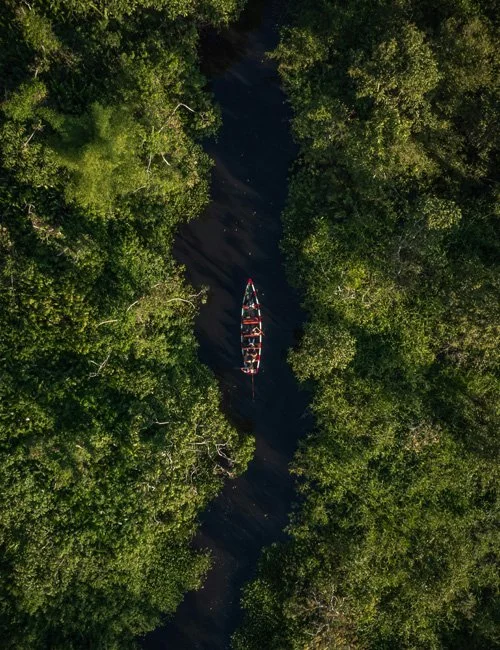
The shiringa: The hope of the amazon
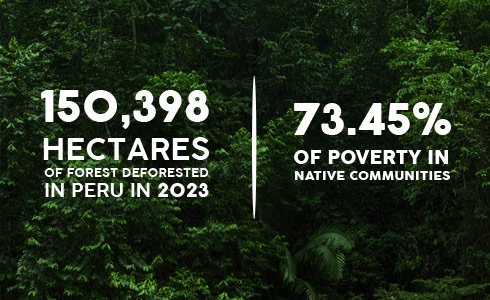
Deforestation and poverty are the main problems facing the Amazon. Every year, an average of 150,000 hectares of Amazonian forest are deforested in Peru. But we saw a great opportunity in this problem: the wild shiringa.
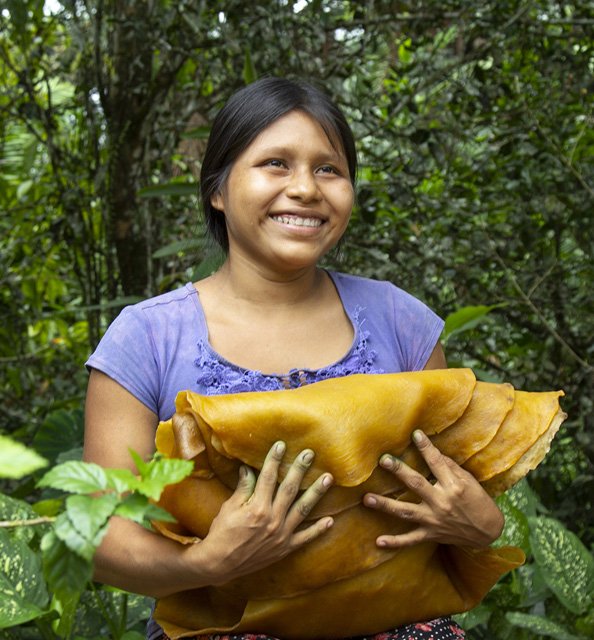
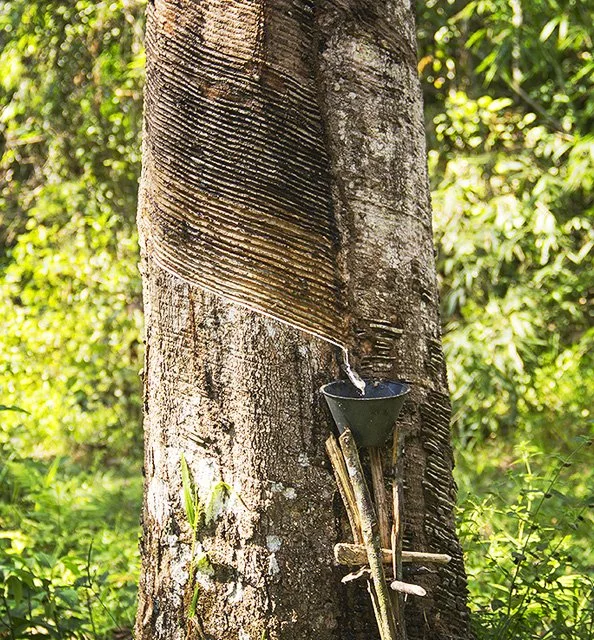
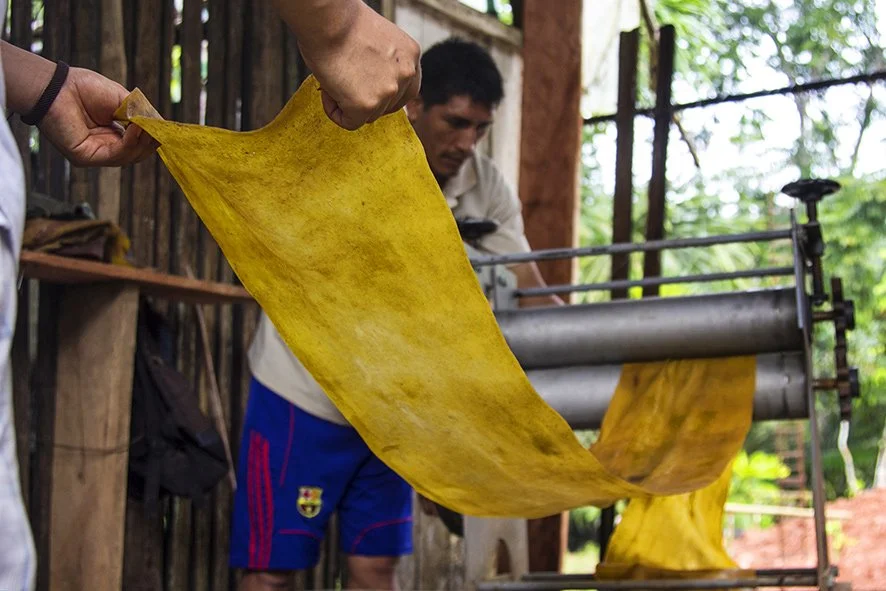
The shiringa, or rubber tree, grows wild throughout the Amazon and contains a liquid called latex, which, when extracted using traditional and sustainable methods—that is, WITHOUT CUTTING DOWN THE TREES—is converted into fashion products such as footwear and bioleder, which preserves forests and empowers native communities.
The shiringa is a historic tree, and the deforestation and exploitation caused by the rubber boom in the late 19th century is still remembered, but today there are families who collect shiringa latex without destroying their forest.
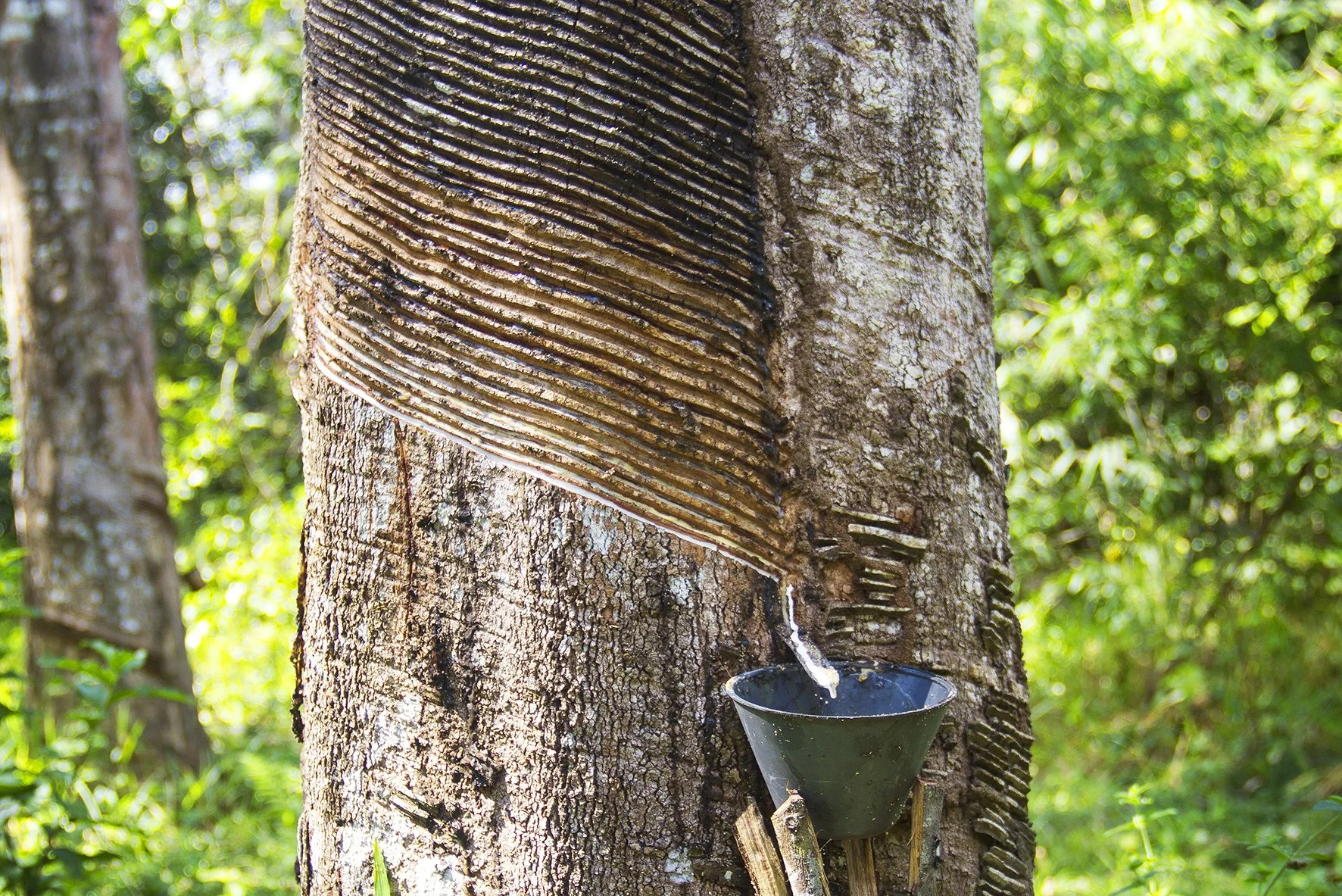
The sustainable collection of shiringa latex allows native Amazonian families to earn income from the forest without destroying it, improving their quality of life and generating an environmental impact.
Social impact
The origin of deforestation is extreme poverty and lack of opportunities. The depredation of our Amazon not only destroys the habitat of many species and contributes to global warming, but also corrupts the spirit of union between man and nature, bringing vices, illegality, exploitation, drug trafficking, prostitution, violence, and imbalance.
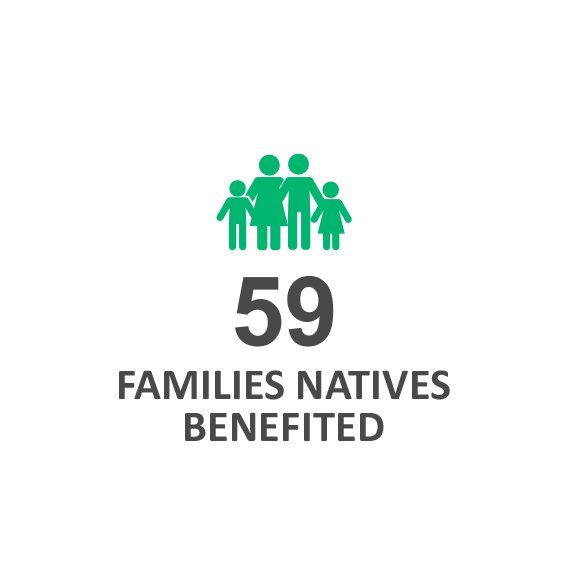
Caxacori Studio works with Amazonian families that collect shiringa latex, generating a business opportunity that respects the environment and people, offering Amazonian families the alternative of obtaining economic income from their environment without cutting down trees.
We are governed by the principles of fair trade in a responsible, ethical, and transparent manner, seeking the development of communities that collect and produce wild rubber.
Forest preservation
Deforestation in the Peruvian Amazon is caused by illegal logging, illegal mining, extensive agriculture, and land trafficking. It is an environmental crisis, with more than 3 million hectares of Amazon rainforest lost between 2001 and 2023. This action has not only led to accelerated biodiversity loss, but also to a serious environmental imbalance by damaging the natural habitats of countless species, increasing greenhouse gas levels, and exacerbating global warming.
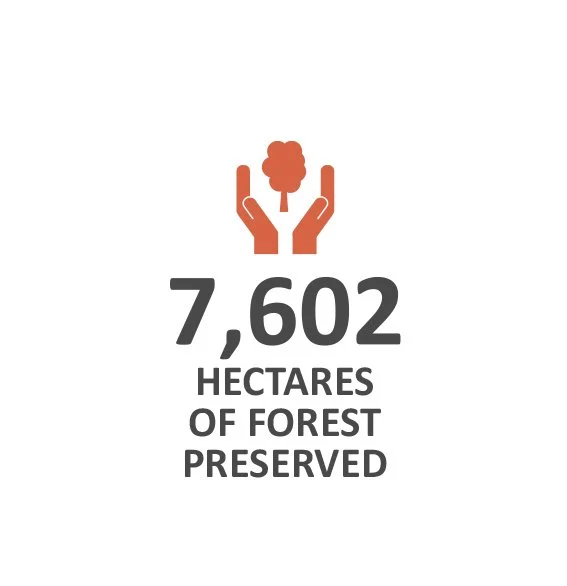
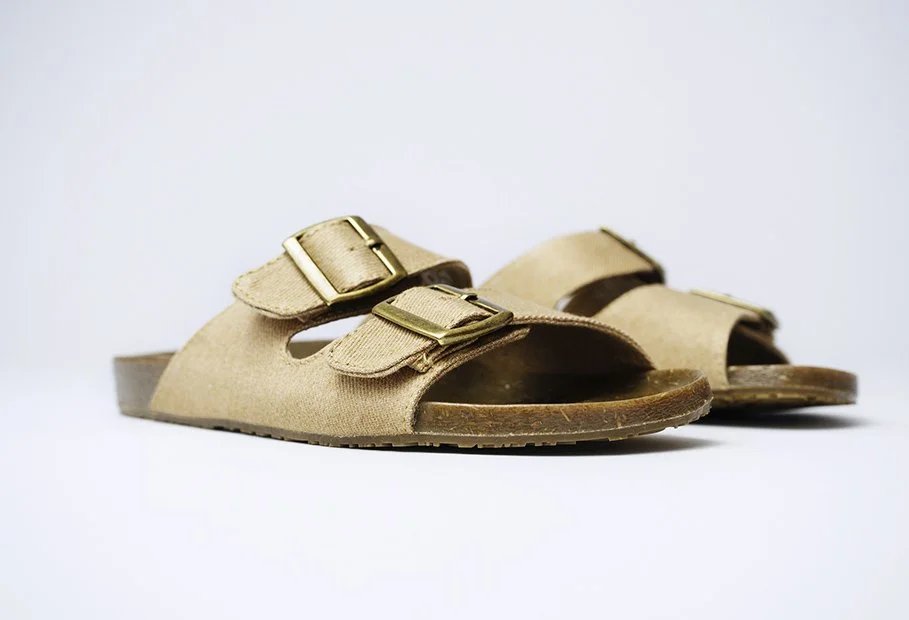
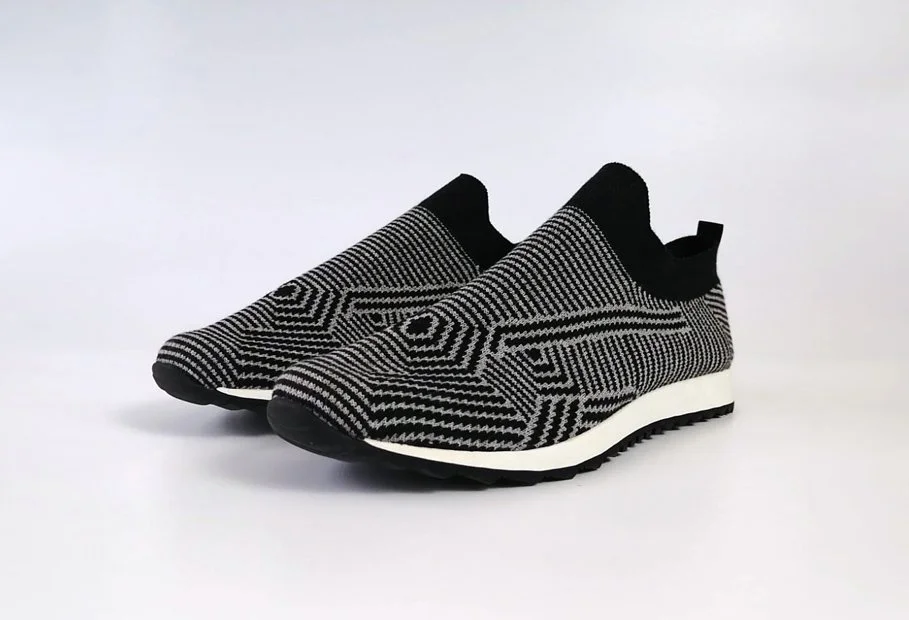
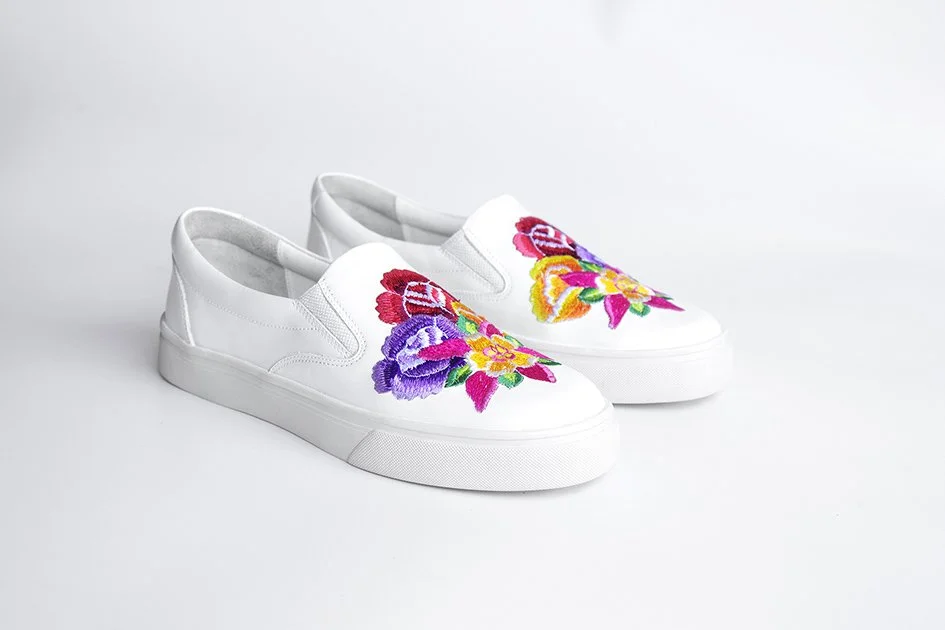
At Caxacori Studio, we work with Amazonian families to sustainably harvest shiringa, helping to preserve the forests by developing wild rubber footwear. These families collect shiringa latex without cutting down trees and respecting their cycles, earning income for their work that improves their quality of life.
And with wild shiringa rubber, we design...
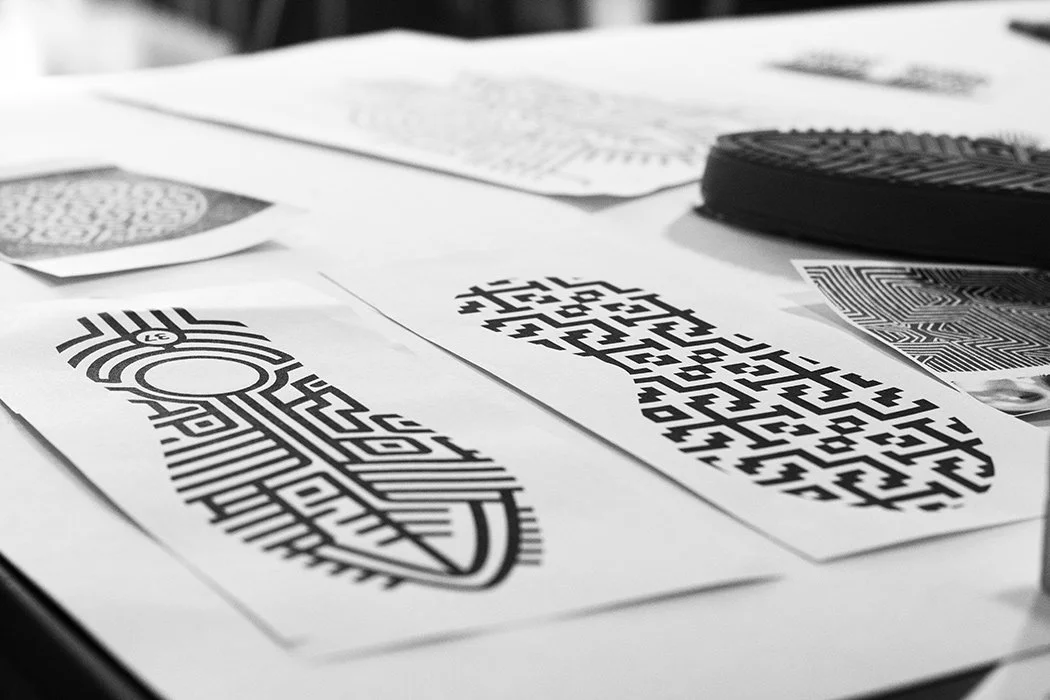
Durable, non-slip soles and footwear with low environmental and social impact

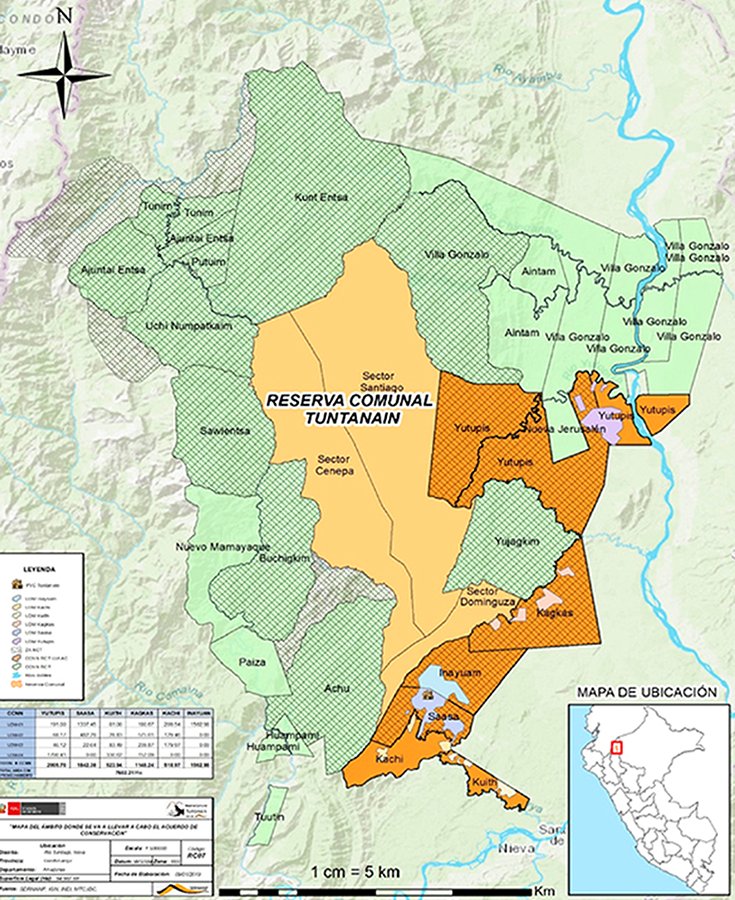
We work in the Tuntanain Communal Reserve in Peru
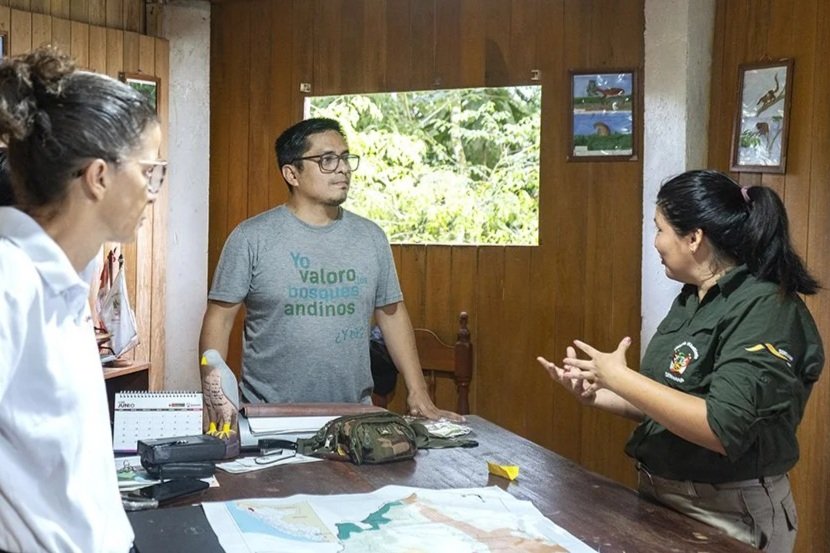
We work in the TUNTANAIN COMMUNAL RESERVE, in the Amazon region of Peru. We have a conservation agreement with the Awajún indigenous communities and SERNANP (National Service of Natural Areas Protected by the State), which is an agency of the Peruvian Ministry of the Environment. This agreement is a commitment to work together to restore the Amazon rainforest and improve the quality of life of indigenous communities.
The TUNTANAIN COMMUNAL RESERVE is an area protected by the state and the native communities. It is located in the northern jungle of Peru. We are currently working with six Awajún indigenous communities in the area, who protect their forest by working with the shiringa.
Traceability Guarantee
We have been awarded the Aliados Por La Conservación (Allies for Conservation) seal by the Peruvian Ministry of the Environment through the National Service of Natural Areas Protected by the State (Sernanp), which recognizes our genuine and traceable commitment to caring for nature and the sustainable use of resources, prioritizing the conservation of biological diversity.
We have a conservation agreement signed by SERNAP, organized native communities, and CAXACORI STUDIO. The agreement is a monitored and audited commitment to work with respect for protected natural areas, their biodiversity, and the people who inhabit them, taking actions to empower and create equal opportunities, both interculturally and in terms of gender.
UWATEX
BIO-LEATHER MADE FROM GRAPE SKINS
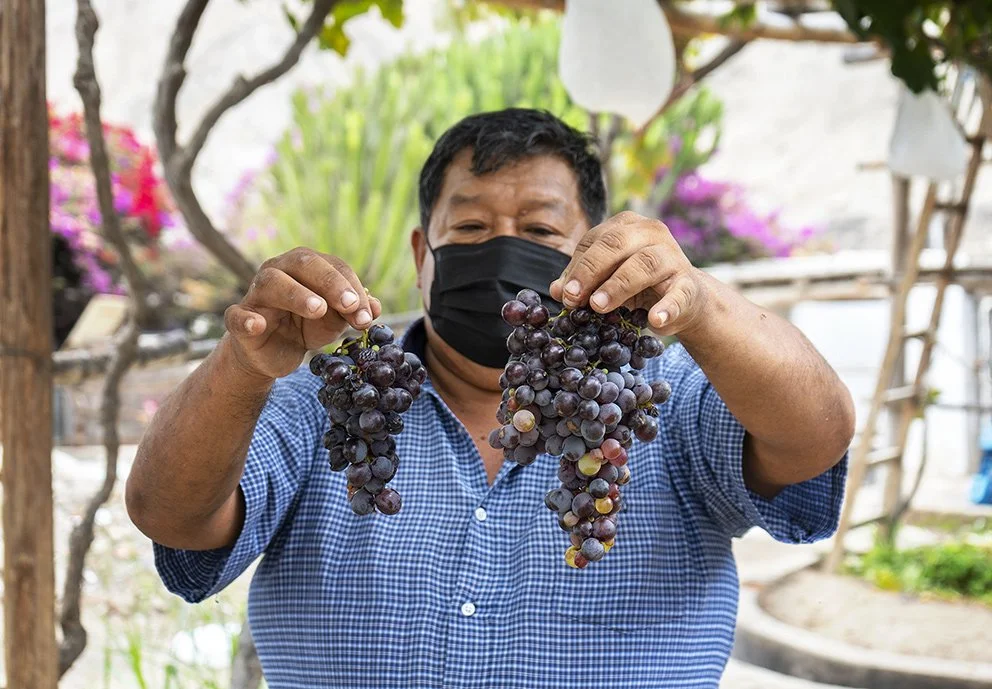
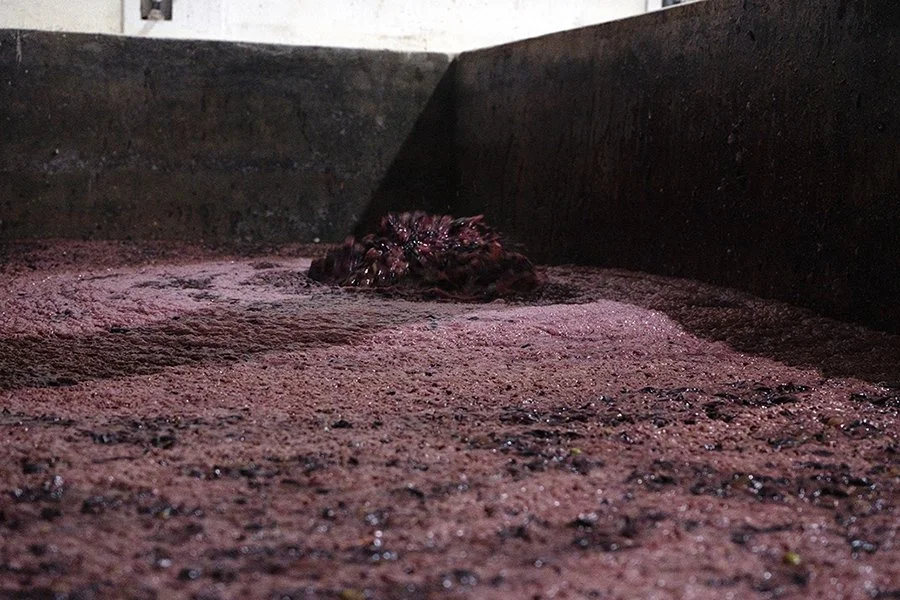
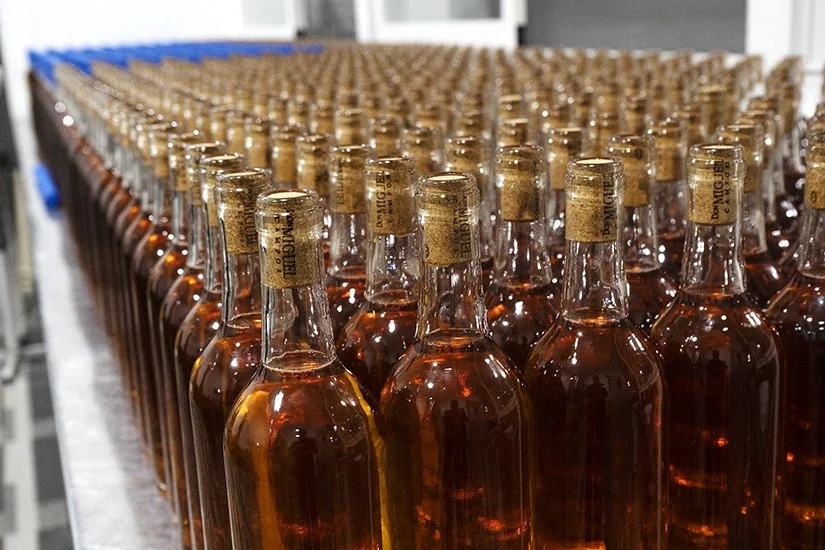
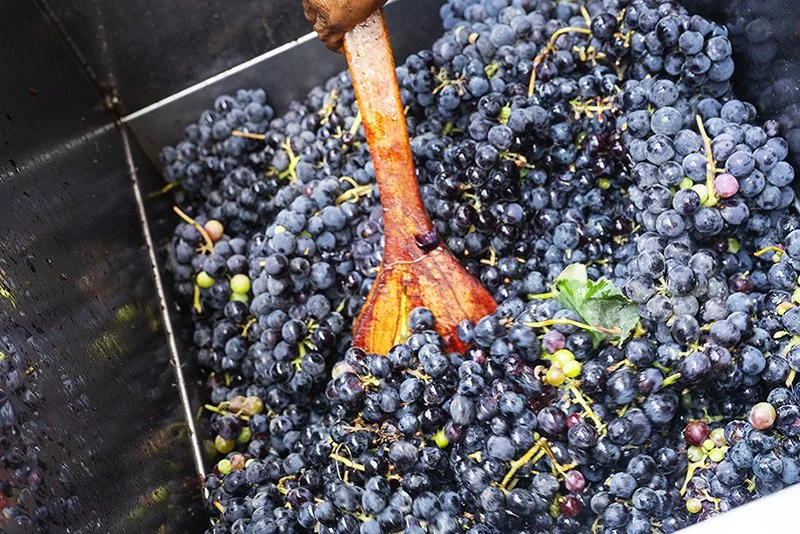
We Peruvians are proud of our pisco, but did you know that the pisco and wine industry in Peru generates around 28,000 tons of grape waste per year? We have a solution.
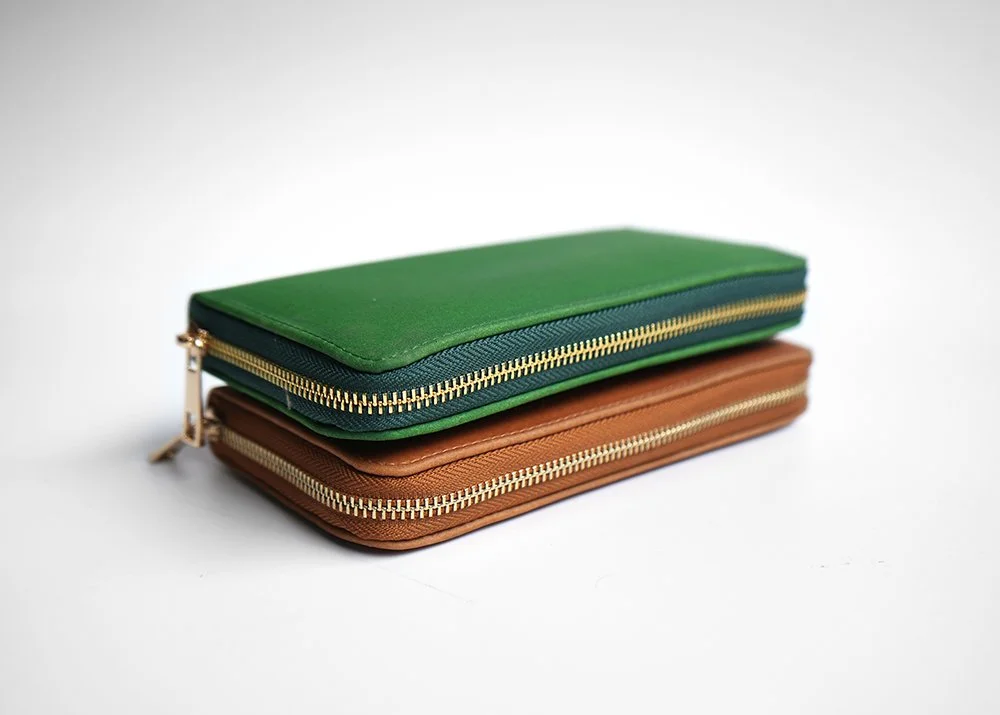
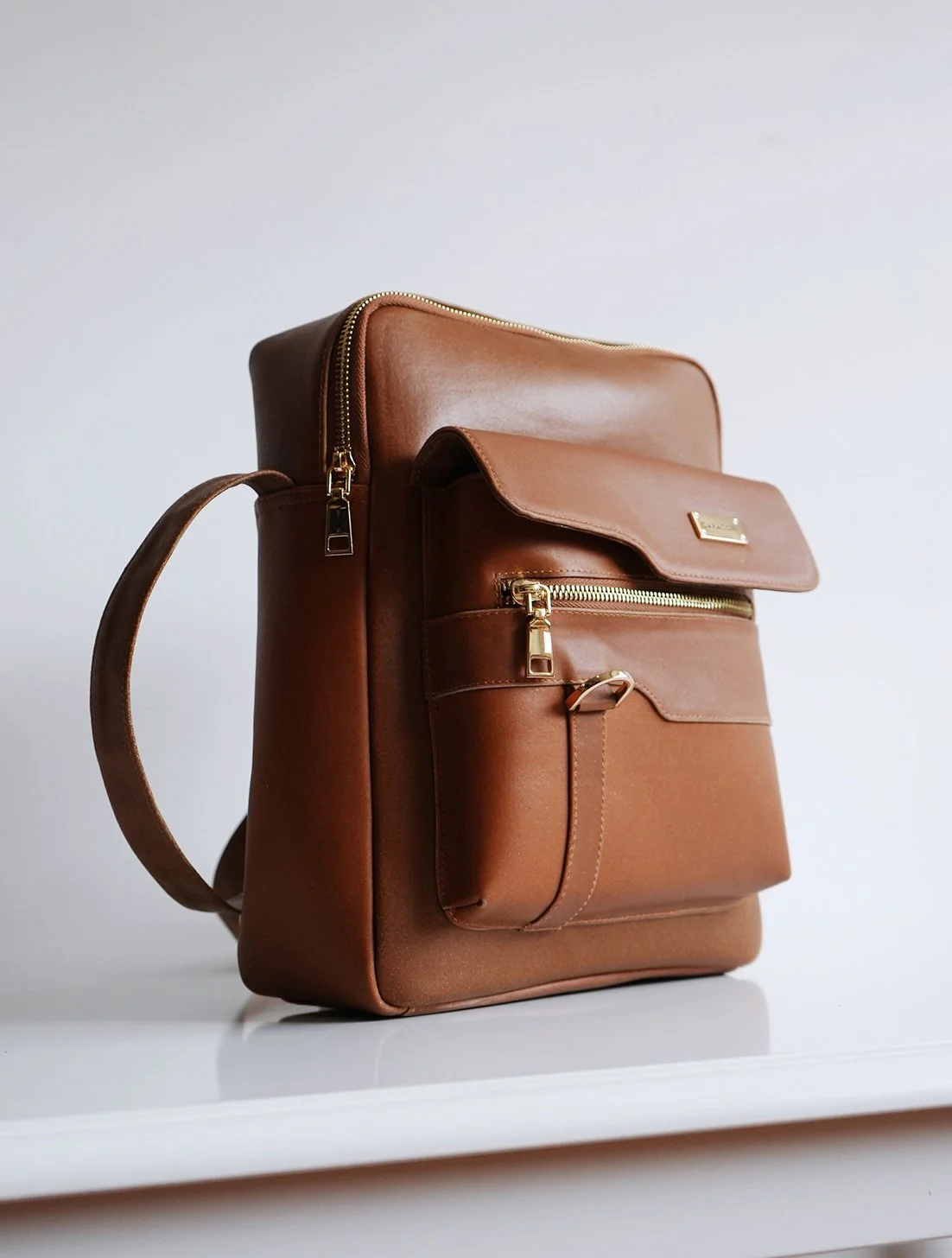
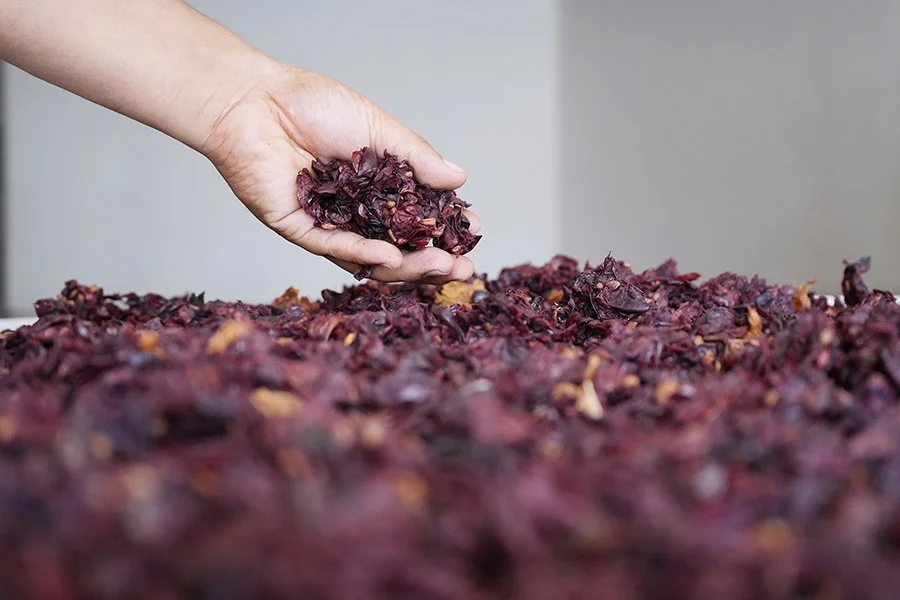
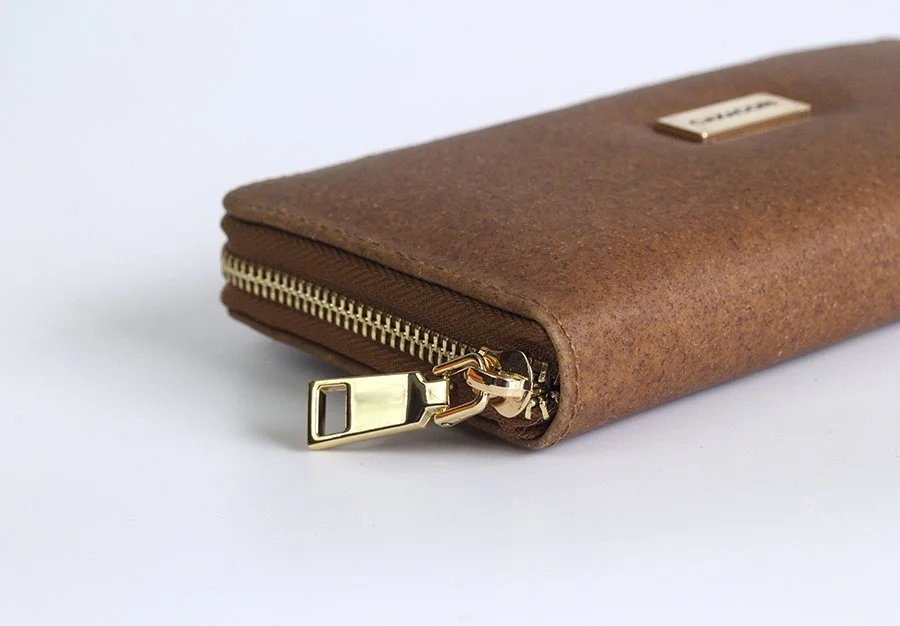
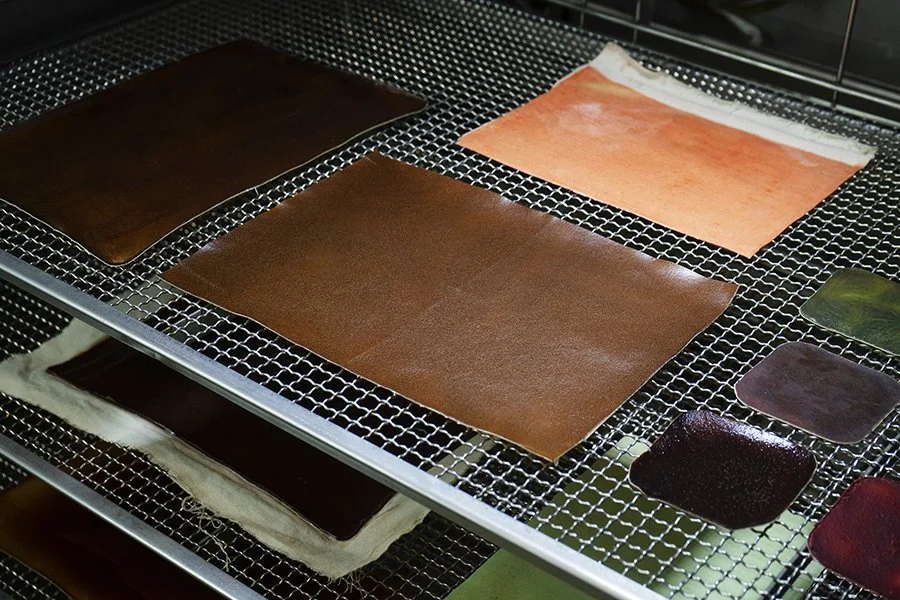
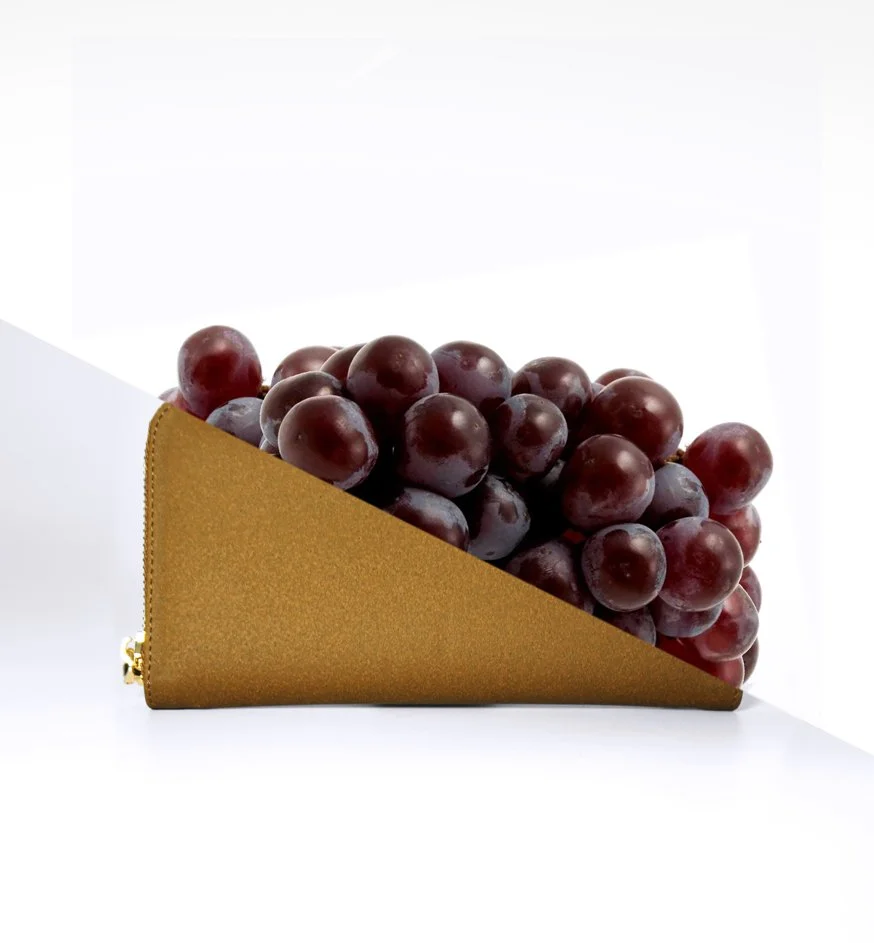
Uwatex, a biotextile designed according to the principles of the circular economy, vegan and resistant. A new material derived from grape skin waste (pomace). A more environmentally friendly alternative to 100% synthetic leather and animal leather.
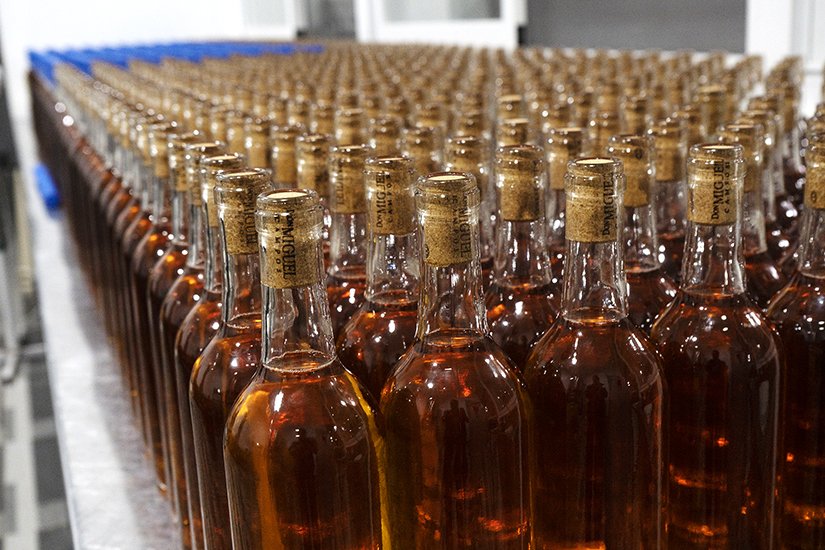
Pisco, vino y economía circular
La producción de pisco y vino genera un desecho del 25 al 30% de residuo de uva (orujo). Este residuo es utilizado en un pequeño porcentaje para algunos subproductos (industria cosmética y alimento para animales), pero más del 50% es del orujo es echado a perder pudriéndose, generando bichos y enfermedades o generando contaminación al ser incinerados.
En CAXACORI STUDIO diseñamos un biocuero a base de residuos de cáscara de uva: UWATEX. Un nueva propuesta de material de que reutiliza el orujo que es desechado por la industria vitivinícola y lo convertimos en un novedoso biotextil que cumple con las normas técnicas de la industria de la moda, suave, resistente y reciclable.
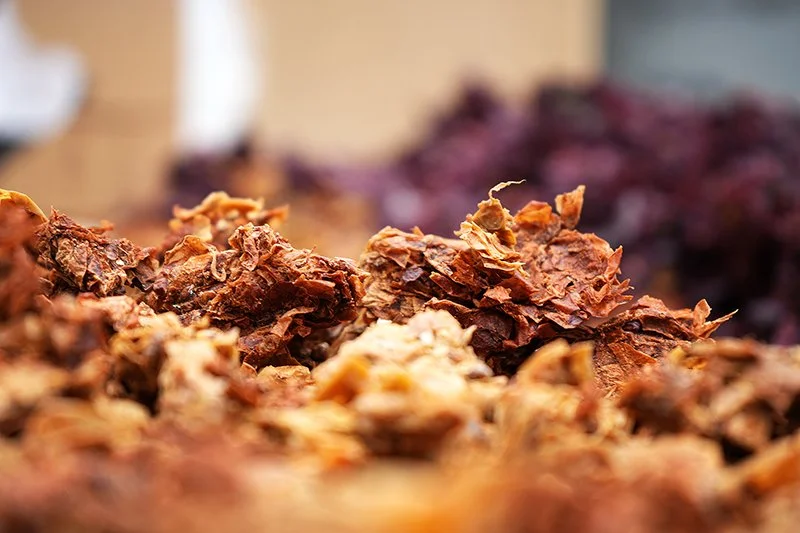
Un nuevo material resistente, vegano y con impacto
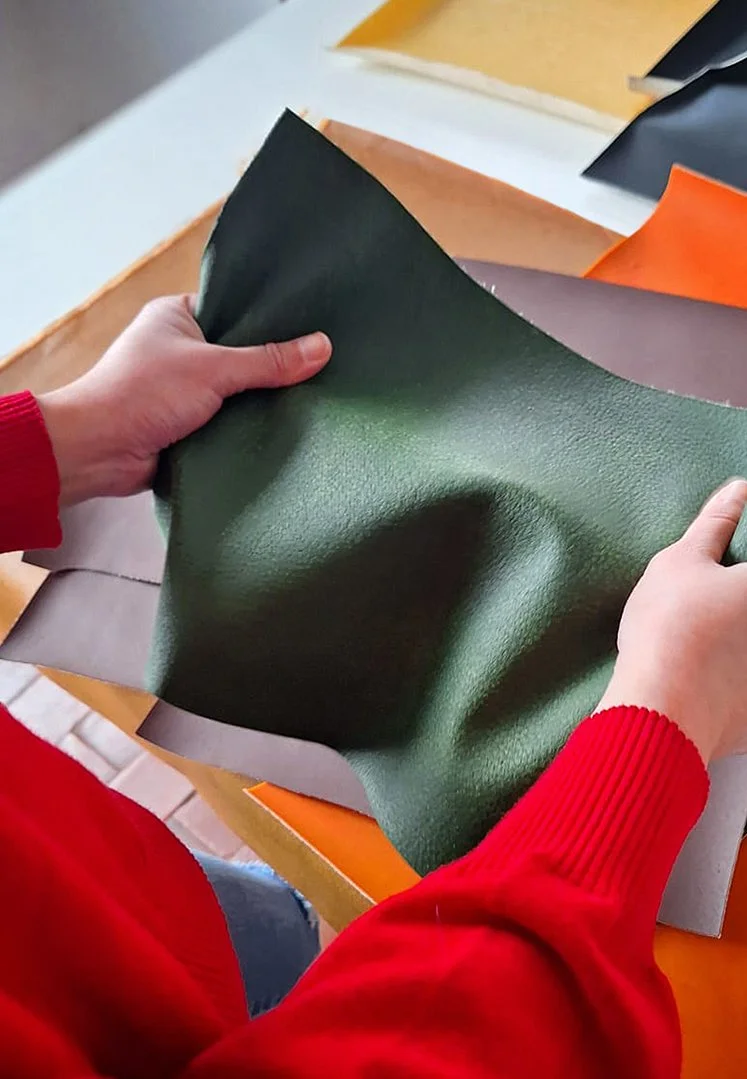
UWATEX es una nueva propuesta de economía circular diseñada a base de residuos de cáscara de uva. Su presentación es un laminado sobre tela de algodón, suave y tiene un grosor promedio de 0.8 mlm. No utiliza ftalatos ni PVC.
UWATEX en su proceso de producción puede ser pigmentado con distintos colores. Ha sido trabajado en distintas pruebas de laboratorios donde se ha conseguido una buena resistencia a la abrasión y una excelente soldiez al frote, es decir, no destiñe en humedad, seco ni al contacto con el sudor. Es una alternativa de economía circular y asequible ante el cuero animal y el material 100% plástico